
#19. Lighting Up Your Space.
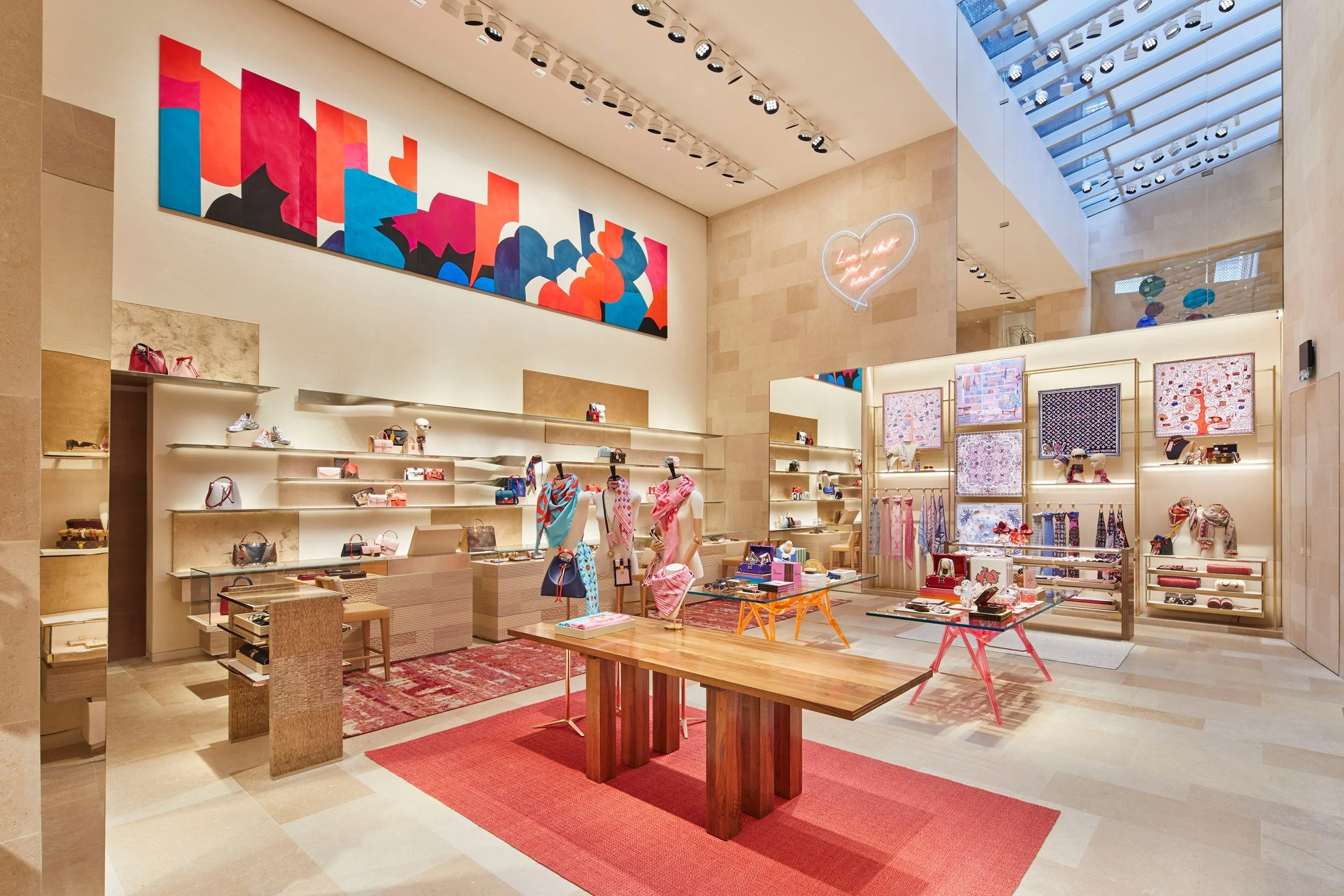
The relationship between light and architecture is crucial to establishing the atmosphere of any luxury space. Light is used by designers to shape a space, guide movement and influence human emotion, through either natural or artificial means. Ultimately, the way an architect utilises light plays a fundamental role in the way a space is experienced, and is a deeply important element of any project due to its evolving and adaptable nature.
When designing a space, many architects will combine both natural and artificial lighting to achieve their desired outcome. Direct sunlight can often be too harsh in locations such as a luxury retail space or museums, and so a combination of light diffusion and ambient lighting may be used. The diffusion of light through translucent glass or deep window reveals softens what may otherwise be too harsh for a space. Ambient and accent lighting come into play here as they support the transition between daylight and a more controlled environment, allowing a space to have a certain level of consistency. The Louis Vuitton flagship store in London is a beautiful example of this, as the space uses void spaces, skylights and mirrors to combine natural and artificial lighting. The integration between artwork and natural light allows the flagship to feel like more of a museum of art than simply a clothing store. This carefully controlled ambience is the final piece in any locations success.
There are many methods to incorporate lighting into a structure, with elements such as light wells, courtyards or reflective surfaces allowing for natural light to be manipulated into any project. Natural light is an everchanging element of any design, and is a key material when understanding the way in which a space will settle. A beautiful example of the manipulation of sunlight can be seen in the Pantheon, in Rome. The structure in itself is wildly impressive, with its unsupported concrete dome ceiling, however the building’s centrepiece is the oculus. This central opening allows a beam of light to pass through the centre of the ceiling and rebound across the walls and floor, creating a constantly shifting spatial experience for those inside. This iconic design is the perfect example of design using light to create an unforgettable experience.
Altogether, the way in which artificial and natural light is utilised is undoubtedly critical, influencing things like productivity, consistency, mood and social interaction in any space. There is little doubt within Black Factory Studio that light is a dynamic and transformative element of any design, with the ability to evolve and inspire across projects new and old. If you have any questions, or would like to discuss designing your space’s atmosphere, feel free to email us or fill out the enquiries form on our website.