
#26. The Discipline of Quality Project Management.
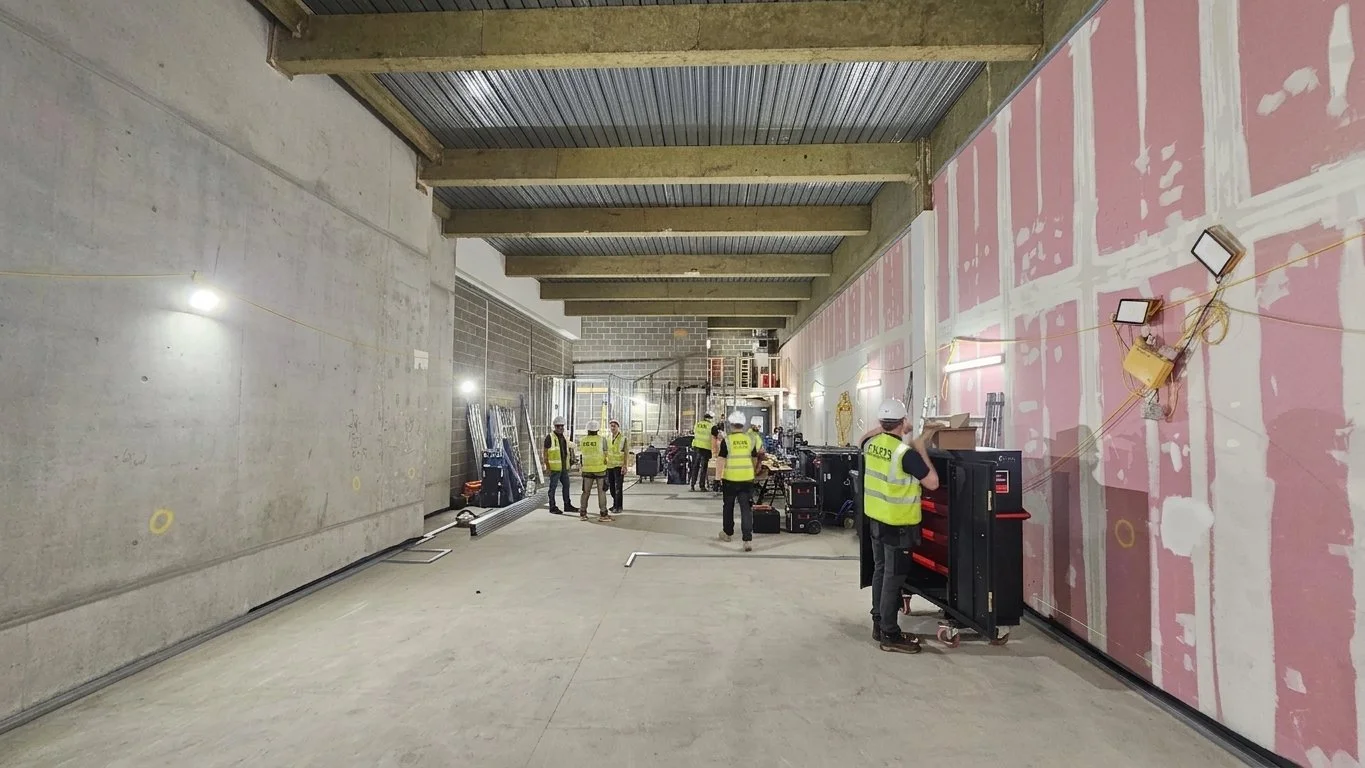
With a beautiful design, the distance between concept and completion is where quality is either protected or lost. From the first sketch to the moment a client opens their doors, there is a complex process that determines how successfully the vision on paper becomes the reality on site. The overall control of that process is project management, and in the luxury commercial sector, it is every bit as important as the quality of the design it serves.
Every well-delivered project begins not on site, but in the initial brief. This defines what the project is about, what it must achieve, and what success looks like. It is the single most important output of the entire pre-construction phase, and ensures every subsequentdecision has a reference point that to turn circle back to. A quality brief aligns the client, architect, design team and contractor around a shared understanding of the project. The best project managers in this sector are fluent in the design as well as the delivery. They understand what is being built well enough to know which details are critical and which are flexible, which subcontractors have the skill to execute a demanding specification and which do not, and where on site their presence and attention are most needed at any given moment.
In construction, time management is not merely a practical consideration, but a design constraint that shapes the project’s workflow and success. The best project managers understand that the programme and its ability to adapt, rather than be a rigid timeline, is crucial. They identify the critical path of dependencies and tasks and ensure that it remains protected and successful. The discipline of keeping a programme realistic from the outset, actively monitored throughout, and transparently communicated to all parties is one of the most commercially valuable skills a project manager can bring to a luxury build.
A luxury commercial project involves a significant number of moving parts: clients, the architect and design team, structural and MEP engineers, main contractor, specialist subcontractors, suppliers, and often planning authorities and landlords. Each of these parties holds information that others need, and each makes decisions that affect others' ability to proceed. When that information flows freely and clearly, a project runs. When it doesn't, it stalls. Clearly established lines of communication create the infrastructure for success, whether that be regularly scheduled reporting or established lines of responsibility, and allow for problems to be solved before they even happen.