
#23. The Quiet History of Glass.
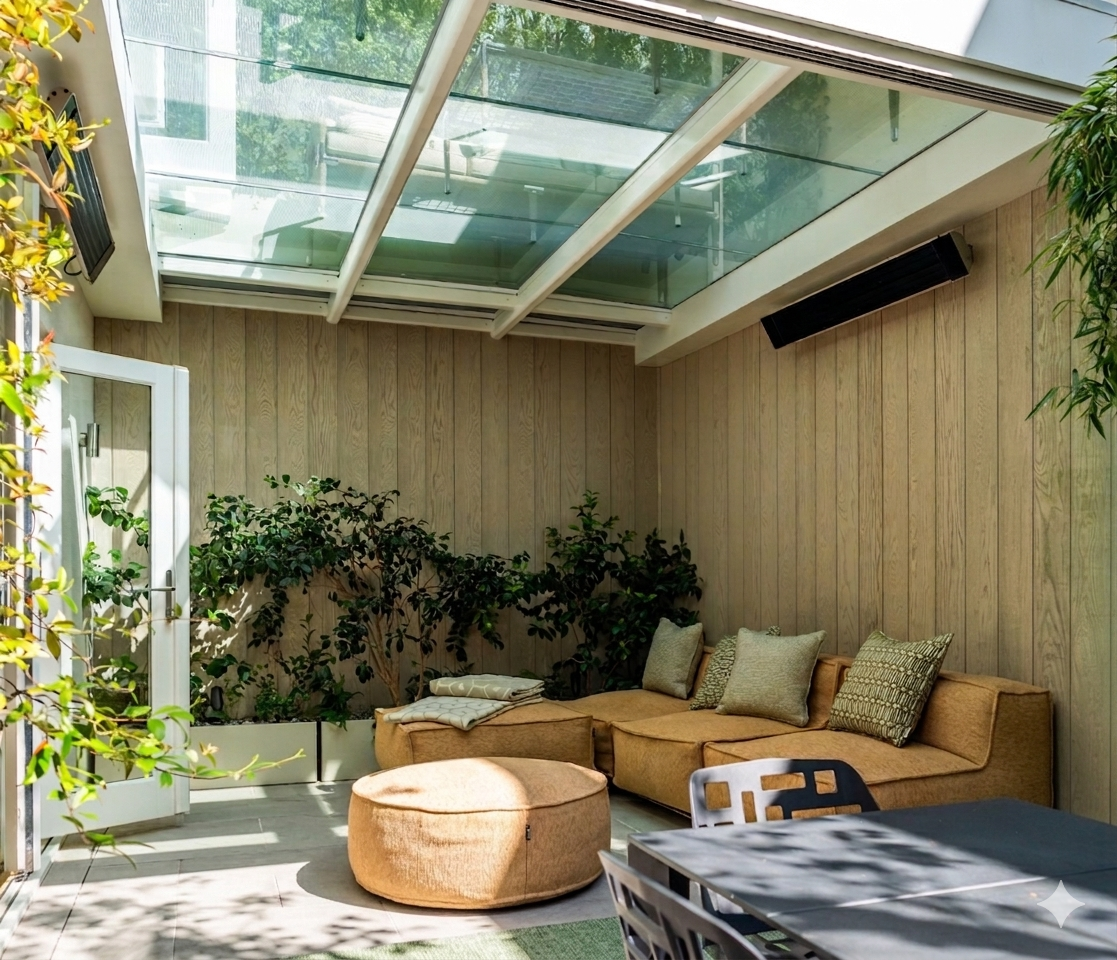
Architectural glass is one of the most technically demanding materials in design and construction, yet also one of the most transformative. Few materials alter light, atmosphere and spatial experience so dramatically while resolving complex structural and environmental requirements. Its history is equally compelling, evolving from accidental discovery into one of architecture’s most sophisticated design tools.
The earliest known glass objects date back to around 2000 BCE, believed to have formed accidentally during ancient metalworking processes. Glass later appeared in Roman bathhouses and civic buildings, where thick, green, distorted panes first demonstrated the value of bringing natural light into protected interior spaces. Over centuries, the material evolved through Gothic cathedrals, Renaissance ornamentation and Georgian stained-glass craftsmanship, each period expanding its technical and aesthetic potential.
The introduction of metallic oxides during production opened up an extraordinary range of colours and finishes, but it was the Industrial Revolution that truly transformed glass into a widely accessible and economical architectural material. Large-scale sheet glass manufacturing led to landmark glazed spaces such as the Palm House at Kew Gardens and the atriums of Le Bon Marché, demonstrating the bold versatility and ambition of glass in architecture.
Today, glass can be integrated into façades, staircases, floors and even structural elements, creating spaces that feel open, immersive and connected to their surroundings. On a recent residential project of ours, replacing a timber balcony deck with structural glass floor panels transformed the home by allowing natural light to flood the lower courtyard while simultaneously creating a weather-protected enclosure.
Ultimately, luxury architecture is defined by memorable spatial experiences. When used boldly and with technical precision, glass has the ability to elevate a project beyond function and create spaces that feel lighter, more expansive and distinctly exceptional. If you would like to discuss how you can incorporate glass into your designs, you are welcome to send us an email or fill out the enquiries form on our website.