
#12. Olympic Architects!
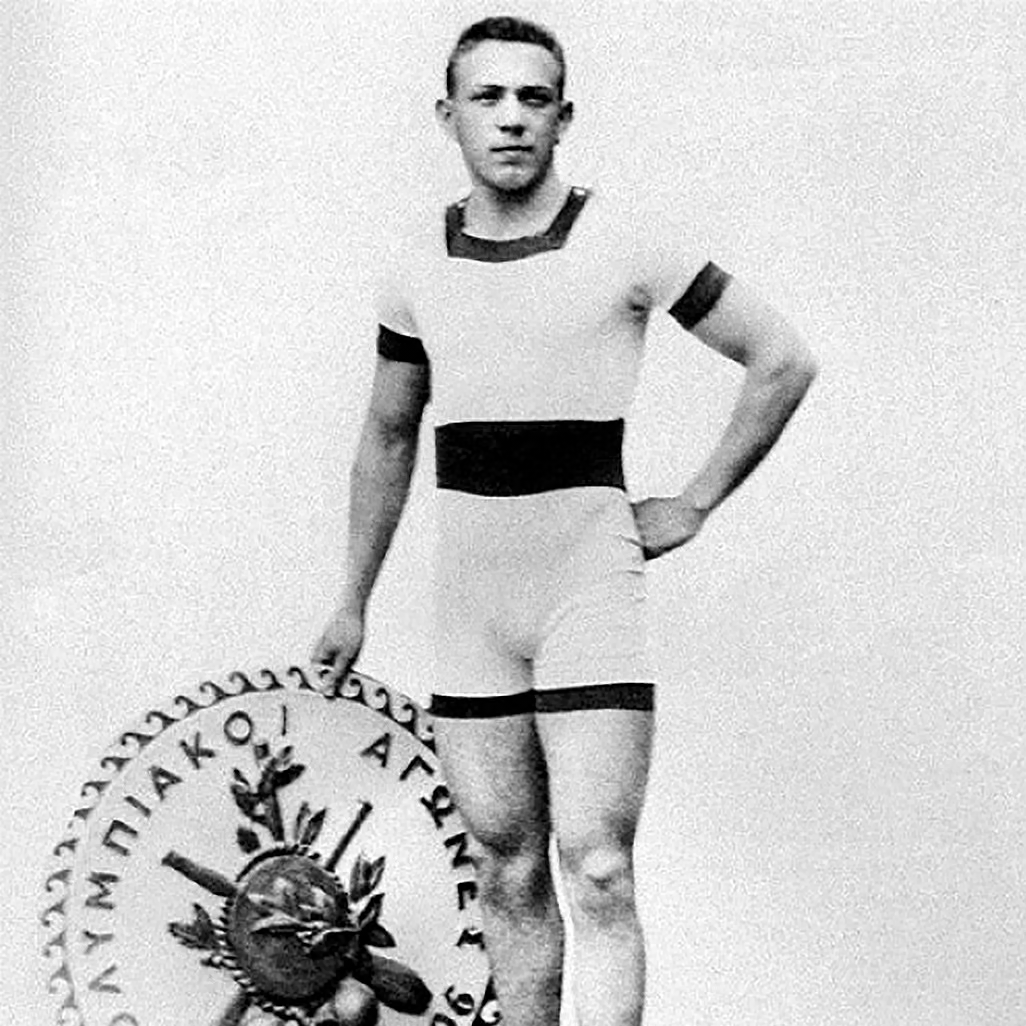
Hungarian architect and athlete Alfréd Hajós, 1924
Did you know that Architecture used to be an Olympic Sport?! From 1912 to 1948 the International Olympic Committee (IOC) handed out medals across five creative categories: Architecture, sculpting, literature, painting and music. The architecture category was eventually subdivided into more specific areas, such as a town planning segment.
Historically, the ancient Olympics long included competitions of the arts, and so Pierre de Coubertin (founder of the IOC) intended for a similar harmony between sporting and creative competitions once again. Whilst the Olympics is a widely known sporting hotspot, there was a time when amateur artists and creatives were encouraged to enter with their designs, alongside the athletes. A few competed across both elements of the games.
The first modern day architecture competition occurred during the 1912 games in Stockholm, with gold medals won by Eugene-Edouard Monod and Alphonse Laverriere for their town planning project ‘Building of a Modern Stadium’. Although medals were not always awarded, this creative element of the games continued for the next thirty or so years, encouraging a wide range of designers, artists and athletes together.
In the 1924 Paris games Hungarian architect and athlete Alfréd Hajós, as pictured above, won a silver medal, the highest honour at the time, in the architecture category. This was the third medal under his belt, having won two in swimming during the 1896 games, making him only the second person to hold medals across both the sport and art competitions. His architecture medal was in collaboration with Dezső Lauber, who was also a tennis player. In general, German and French competitors had the most success across the arts division of the games, with only one woman, Finland’s Aale Tynni, ever winning an Olympic title in the arts.
This historic connection between sport and art is undeniably beautiful, and a true reflection of what collaboration between various elements of human creativity can produce. Whilst the games don’t include an arts segment anymore, there is still a non-competitive art and culture festival associated with each game, so participants and spectators alike can explore the host city outside the stadiums.
For our next client meeting we’re coming prepared with trainers - to point at things even more dramatically.
If you have any questions or thoughts you’d like to share with us, feel free to fill out the enquiries form on our website, or drop us an email.